

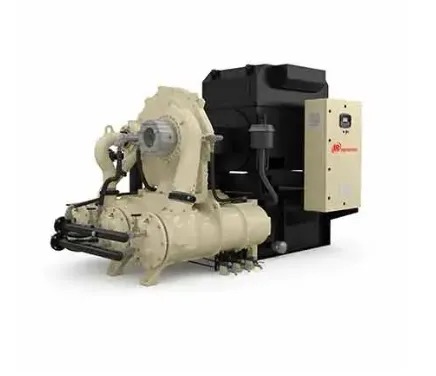
A comprehensive technical guide for maintaining peak performance and reliability in high-capacity industrial air systems.
In the world of heavy industry, the centrifugal air compressor stands as a titan of efficiency and reliability. These machines are engineered to provide massive volumes of oil-free compressed air, supporting everything from pharmaceutical manufacturing to large-scale chemical processing. However, like any sophisticated piece of rotating machinery, they are not immune to operational challenges. Understanding the nuances of how a centrifugal air compressor functions is the first step toward effective troubleshooting. When these systems falter, the resulting downtime can cost a facility thousands of dollars per hour in lost productivity.
The complexity of high-speed impellers and precise aerodynamic designs means that problems often manifest in subtle ways before leading to a total system shutdown. Whether it is a slight increase in vibration levels or an unexpected surge during low-demand periods, early detection is key. This guide is designed to help plant managers, engineers, and maintenance technicians identify the most frequent issues encountered with a centrifugal air compressor and provide actionable solutions to restore optimal performance. By following these professional insights, you can extend the service life of your equipment and maintain a safer work environment.
Understanding and Resolving Compressor Surge Issues
One of the most critical and potentially damaging phenomena in a centrifugal air compressor is "surging." Surging occurs when the flow through the compressor is reduced to a point where the head generated by the machine is less than the backpressure in the discharge line. This causes a momentary reversal of flow, leading to violent oscillations and high-frequency vibrations. If left unaddressed, repeated surging can lead to catastrophic failure of the impellers, bearings, and seals. The sound of a surge is often described as a loud "barking" or "whooshing" noise coming from the intake or discharge piping.
To fix surge issues, technicians must first examine the control system settings. Often, the surge line is set too aggressively, or the blow-off valve is not reacting quickly enough to changes in demand. Cleaning the inlet air filters is also vital, as restricted airflow can prematurely trigger a surge condition. Furthermore, inspecting the bypass valves for proper calibration ensures that excess air is diverted correctly when demand drops. Implementing advanced control algorithms that provide a "safety margin" above the surge point is a common strategic solution used by leading service providers to protect the centrifugal air compressor from these aerodynamic instabilities.
Diagnosing Abnormal Vibration Levels
Vibration is a natural byproduct of high-speed rotation, but when levels exceed the manufacturer's specified limits, it indicates an underlying problem. In a centrifugal air compressor, high vibration is often the result of impeller imbalance, misalignment between the motor and the gearbox, or worn-out bearings. Because the impellers rotate at tens of thousands of RPM, even a tiny amount of debris buildup on the blades can cause significant centrifugal force imbalances. This not only damages the rotating assembly but also puts immense stress on the housing and foundations.
The solution begins with a detailed vibration analysis. Using specialized sensors, technicians can determine the frequency and amplitude of the vibrations to pinpoint the source. If the imbalance is due to dirt accumulation, a professional cleaning of the impellers may suffice. However, if the vibration stems from mechanical wear, it may be necessary to replace the high-speed bearings or perform a precision laser alignment. Regular lubrication checks and using high-quality synthetic coolants can significantly reduce friction-related vibrations. Always ensure that the mounting bolts are torqued to specification to prevent structural resonance from amplifying small internal movements.
Overcoming Cooling System Inefficiencies
Centrifugal compressors generate a significant amount of heat during the compression process. Intercoolers and aftercoolers are used to manage this thermal energy, ensuring the air remains at a safe temperature and preventing damage to downstream components. A common problem is the fouling of these heat exchangers, which leads to high discharge temperatures. When the air is too hot, its density decreases, reducing the overall efficiency of the centrifugal air compressor and potentially triggering high-temperature alarms that shut down the unit.
Fixing cooling issues requires a two-pronged approach: checking both the coolant side and the air side. On the water-cooled units, mineral deposits or biological growth can insulate the tubes, drastically reducing heat transfer. Chemical descaling or mechanical tube cleaning is often necessary. On the air side, oil mist or dust can coat the external fins. Regular inspections of the cooling water quality and flow rates are essential. If you notice a consistent rise in temperatures, it may be time to upgrade your filtration system or replace old, inefficient cooler cores with modern, high-surface-area designs that provide better thermal management.
Lubrication and Seal Integrity
While the compression chamber of a centrifugal air compressor is designed to be oil-free, the gearbox and bearings require robust lubrication. Oil leaks are a frequent complaint, often originating from degraded carbon seals or labyrinth seals. If oil migrates into the air stream, it can contaminate the entire compressed air system, which is unacceptable in industries like food and beverage or electronics. Furthermore, a drop in oil pressure due to a failing pump or a clogged filter can lead to bearing starvation and immediate mechanical failure.
To maintain seal integrity, it is crucial to monitor the seal gas pressure. Centrifugal compressors often use a "buffer gas" to keep oil in the gearbox and away from the impellers. If this pressure is lost, oil leakage is inevitable. Regularly replacing oil filters and performing oil analysis helps detect early signs of metal wear or chemical breakdown. If a leak is detected, replacing the seals with genuine OEM parts is the only reliable fix. Using the correct grade of synthetic lubricant, specifically designed for high-speed centrifugal applications, ensures that the oil maintains its viscosity even under extreme temperatures and pressures.
Why Choose Biaofang for Your Compressor Needs?
At Biaofang, we understand that your centrifugal air compressor is the heart of your industrial operation. With years of expertise in the field, we specialize in providing high-quality solutions and genuine parts for the most demanding applications. Our commitment to excellence ensures that your equipment runs at peak efficiency with minimal downtime.
We take pride in our extensive inventory and technical knowledge. Whether you are looking for a brand new centrifugal air compressor or need specialized maintenance for Ingersoll Rand centrifugal air compressors, we have the resources to help. Our team at Biaofang is dedicated to "customer-centric" service, offering not just products, but comprehensive air system audits and optimization strategies.
Genuine Quality
We supply authentic parts for Ingersoll Rand, Atlas Copco, and more.
Expert Support
Our technicians have decades of experience in large-scale air systems.
Fast Logistics
Global shipping to ensure your plant never stops moving.
Conclusion
Maintaining a centrifugal air compressor requires a proactive mindset and an eye for detail. By addressing surge conditions, monitoring vibrations, ensuring effective cooling, and maintaining seal integrity, you can prevent the majority of common failures. These machines are the backbone of modern industry, and their complex nature demands respect and professional care. When problems do arise, don't settle for quick fixes that only mask the symptoms. Invest in root-cause analysis and high-quality replacement parts to ensure long-term reliability.
Are you facing challenges with your compressed air system? Whether you need technical advice or are looking for the best deals on industrial equipment, Biaofang is here to support you every step of the way. Contact us today to learn how we can optimize your facility's performance.
Frequently Asked Questions
Q1: How often should I perform maintenance on my centrifugal air compressor?
Standard maintenance for a centrifugal air compressor should be performed according to operating hours, typically with daily checks for oil levels and weekly inspections of filters. A comprehensive annual service is recommended to check bearings, seals, and cooling efficiency.
Q2: What is the most common cause of a centrifugal air compressor shutdown?
The most common triggers for an automatic shutdown are high discharge air temperature and excessive vibration. Both issues are often linked to poor cooling water quality or debris buildup within the centrifugal air compressor impellers.
Q3: Can a centrifugal air compressor provide 100% oil-free air?
Yes, by design, the compression chambers of a centrifugal air compressor do not require oil for lubrication. As long as the shaft seals remain intact, the air produced is naturally oil-free, making it ideal for sensitive industries.
Q4: Why is my centrifugal air compressor making a loud barking noise?
This "barking" sound is a classic symptom of compressor surge. It indicates that the centrifugal air compressor is struggling to maintain flow against discharge pressure. You should immediately check your inlet filters and bypass valve settings.
Q5: How can I improve the energy efficiency of my centrifugal air compressor?
Efficiency can be improved by ensuring the inlet air is cool and clean, minimizing pressure drops in the discharge piping, and utilizing a variable speed drive or advanced control system to match air production with actual facility demand.