

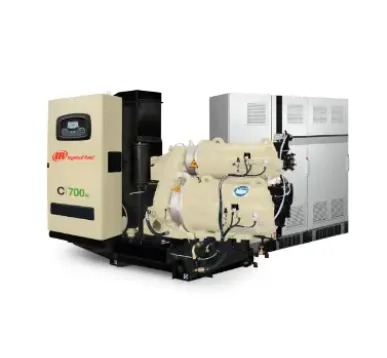
Master the technical strategies and operational best practices required to enhance the performance and reliability of your high-capacity industrial air systems.
Introduction to High-Efficiency Centrifugal Systems
In the landscape of modern industrial production, the centrifugal air compressor stands as a cornerstone of high-volume, oil-free air delivery. Unlike positive displacement machines, these dynamic compressors utilize high-speed impellers to impart kinetic energy to the air, which is then converted into static pressure through a diffuser. This fundamental difference allows the centrifugal air compressor to handle massive flow rates with a relatively small footprint, making them indispensable for industries ranging from electronics and pharmaceuticals to large-scale automotive manufacturing. At Biaofang, we recognize that managing these complex systems requires more than just basic operational knowledge; it demands a deep understanding of aerodynamics and thermodynamics to ensure that energy consumption remains optimized throughout the equipment's lifecycle.
Efficiency in these systems is not a static metric but a dynamic balance between ambient conditions, mechanical health, and demand fluctuations. As energy costs continue to rise, the ability to squeeze every percentage point of performance out of your compressed air infrastructure becomes a significant competitive advantage. A well-optimized centrifugal air compressor can reduce annual energy expenditures by thousands of dollars while simultaneously extending the interval between major overhauls. This guide explores the critical variables that influence efficiency and provides actionable insights into how operators can maintain peak performance in even the most demanding industrial environments.
The Impact of Inlet Conditions on Performance
The performance of a centrifugal air compressor is highly sensitive to the quality and state of the air entering the system. Because these machines are mass-flow devices, changes in air density directly affect the compression ratio and power consumption. For instance, high ambient temperatures lead to lower air density, meaning the compressor must work harder and consume more energy to deliver the same mass of air. To optimize efficiency, it is crucial to ensure that the inlet air is as cool and dry as possible. Positioning the air intake in a shaded, well-ventilated area away from heat-generating machinery or steam vents is a simple yet effective strategy to maintain high intake density.
Furthermore, the pressure drop across the inlet filter is a silent efficiency killer. As filters become clogged with dust and particulate matter, the compressor experiences a vacuum at the inlet, forcing it to operate at a higher pressure ratio to meet the target discharge pressure. This additional work translates directly into increased kilowatt usage. Regular monitoring of the differential pressure across inlet filters is essential. Modern systems often utilize high-precision sensors to alert operators when a filter change is required. By keeping the intake path clear and the air temperature low, you provide the optimal foundation for the centrifugal air compressor to operate within its designed "sweet spot," ensuring maximum aerodynamic efficiency and reduced mechanical stress on the impeller stages.
Advanced Cooling and Interstage Management
Centrifugal compression is typically a multi-stage process where air is cooled between stages to minimize the work required for the subsequent stage. This intercooling is vital because cooler air is easier to compress. However, the efficiency of this process depends heavily on the performance of the heat exchangers. Over time, these coolers can suffer from fouling, both on the air side (due to oil or dust carryover) and the water side (due to mineral scaling or biological growth). Fouled coolers prevent effective heat transfer, causing the air entering the next stage to be hotter than ideal, which significantly degrades the overall efficiency of the centrifugal air compressor.
To optimize this aspect, industrial facilities must implement a rigorous cooling water management program. Monitoring the approach temperature—the difference between the cooling water inlet temperature and the compressed air outlet temperature—provides a clear diagnostic of cooler health. If this gap begins to widen, it is a clear indication that cleaning is necessary. Additionally, ensuring that condensate drains are functioning correctly at each interstage is critical. If water is allowed to carry over into the next impeller stage, it can cause severe erosion and imbalance, leading to catastrophic failure. High-performance moisture separators and automated drain valves are the unsung heroes of centrifugal efficiency, protecting the precision-engineered internals while maintaining optimal thermodynamic conditions.
Control Systems and Demand Regulation
One of the most complex challenges in operating a centrifugal air compressor is managing "surge." Surge occurs when the demand for air falls below the compressor's minimum stable flow rate, causing a reversal of flow that can damage the machine. Traditionally, operators avoided surge by "blowing off" excess air into the atmosphere, which is essentially throwing away expensive energy. Optimization today relies on sophisticated control algorithms that allow the compressor to operate close to its surge limit without crossing it, maximizing the turndown range of the machine. By using Variable Inlet Guide Vanes (IGVs), the system can pre-swirl the air to match the impeller speed, significantly improving part-load efficiency compared to simple throttling valves.
Integrating the centrifugal air compressor into a master plant control system allows for even greater savings. When multiple compressors are used, the master controller can sequence them to ensure each unit is running at its most efficient point, rather than having several units running at inefficient partial loads. Advanced controllers, such as the Ingersoll Rand Xe-Series, provide real-time data visualization and predictive analytics. These tools allow maintenance teams to identify trends before they result in downtime. A well-tuned control strategy ensures that the centrifugal air compressor responds precisely to the plant's needs, eliminating waste and ensuring that the high capital investment in the equipment is justified through consistent, reliable performance.
The Biaofang Advantage in Industrial Air Solutions
At Biaofang, we specialize in providing the highest quality components and expertise to keep your air systems running at peak performance. As a trusted provider of world-class equipment, we offer a comprehensive range of centrifugal air compressor solutions, including the renowned MSG Centac series. Our commitment to excellence extends beyond the machines themselves; we provide the critical parts and lubricants that sustain efficiency over the long term. For instance, using genuine Techtrol Gold lubricant is essential for maintaining the high-speed bearings and gears within your centrifugal system, ensuring minimal friction and maximum heat dissipation.
Our technical team understands that every facility has unique requirements. Whether you are looking for MSG Centac C1000 units or sophisticated Xe-145F controllers, Biaofang is your partner in reliability. We don't just sell products; we provide a bridge to lower operating costs and sustainable industrial practices. By choosing Biaofang, you gain access to a decade of expertise in the air compressor industry, ensuring that your investment is backed by a company that prioritizes uptime and energy efficiency above all else. Explore our About Us page to learn more about our dedication to the industry.
Frequently Asked Questions
Q1: How often should I service my centrifugal air compressor?
Standard preventive maintenance for a centrifugal air compressor usually involves monthly inspections of filters and oil levels, with more comprehensive service intervals every 6 to 12 months. However, the use of predictive monitoring can help tailor maintenance to actual wear, potentially extending the time between major overhauls while preventing unexpected failures.
Q2: What causes a centrifugal air compressor to surge?
Surge occurs when the system back-pressure exceeds the pressure generated by the compressor, typically because the demand for air is too low. This leads to a momentary reversal of air flow. Modern centrifugal air compressor units utilize sophisticated bypass valves and controllers to manage this risk and maintain stable operation.
Q3: Can I improve the energy efficiency of an older centrifugal air compressor?
Yes, many older centrifugal air compressor models can be retrofitted with modern inlet guide vanes, high-efficiency impellers, and advanced digital control systems. Upgrading to high-performance lubricants and improving intercooling efficiency through regular cleaning are also cost-effective ways to boost performance.
Q4: Why is oil-free air important for my centrifugal air compressor?
A centrifugal air compressor is inherently oil-free in the compression chamber because the bearings are isolated from the air path. This is critical for industries like food processing and pharmaceuticals where any oil contamination could lead to product spoilage or safety violations.
Q5: How do I choose the right centrifugal air compressor for my factory?
Selecting the right centrifugal air compressor involves analyzing your peak demand, average demand, and required air quality. You must also consider ambient conditions at your site. Consulting with experts at Biaofang can help you size your system correctly to ensure you don't over-invest in capacity you don't need.
Conclusion
Optimizing a centrifugal air compressor is a multifaceted endeavor that pays dividends in reliability, longevity, and energy savings. By paying close attention to inlet conditions, maintaining the integrity of the cooling system, and utilizing advanced control technologies, industrial operators can ensure their compressed air systems remain a robust asset rather than a financial burden. The transition to a proactive maintenance and optimization strategy is the key to thriving in a resource-conscious industrial world.
Whether you are installing a new system or seeking to improve an existing one, the right expertise and high-quality components are vital. At Biaofang, we are dedicated to supporting your journey toward operational excellence with the best products and technical insights in the market.
Ready to Optimize Your Compressed Air System?
Contact the experts at Biaofang today for professional guidance and high-performance compressor solutions.
Get a Professional Consultation