

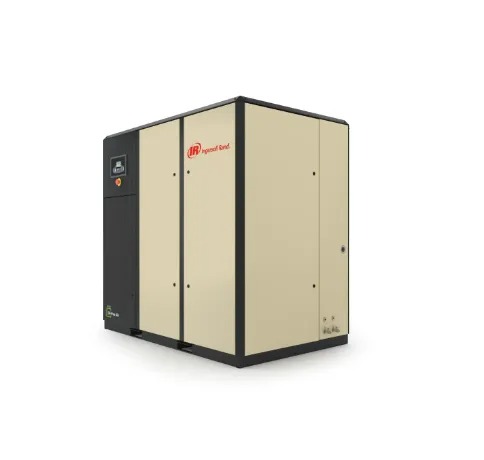
A comprehensive industrial guide to optimizing performance and minimizing operational expenses through advanced compressed air technology.
Introduction to Cost Efficiency in Modern Air Compression
In the modern industrial landscape, the demand for high-quality, contaminant-free air has never been higher. Industries such as pharmaceutical manufacturing, electronics assembly, and food and beverage processing require air that is strictly free from oil aerosols. While traditional lubrication-based systems were once the norm, the shift towards oil-free rotary screw air compressors has transformed the way facilities approach both air quality and cost management. At Biaofang, we understand that the initial investment in high-end equipment is only one part of the financial equation. The true value lies in the long-term reduction of the Total Cost of Ownership (TCO).
Many plant managers mistakenly believe that oil-injected systems are more economical due to their lower upfront purchase price. However, when factoring in the costs of specialized downstream filtration, frequent oil changes, oil-contaminated filter disposal, and the massive risk of product recalls due to oil vapor contamination, the perspective changes. Choosing oil-free rotary screw air compressors ensures that your facility meets ISO 8573-1 Class 0 standards, effectively eliminating the costs associated with oil-related risks. This guide will explore the strategic methods to leverage this technology to boost your bottom line.
Understanding the Oil-Free Rotary Screw Mechanism
The core of an oil-free system resides in its precision-engineered air end. Unlike oil-flooded models where oil acts as a coolant and sealant between the rotors, oil-free rotary screw air compressors utilize high-speed timing gears and advanced rotor coatings to maintain compression efficiency without any lubricant in the chamber. This design requires exceptional manufacturing tolerances, which is why brands like Ingersoll Rand, supplied by Biaofang, are preferred globally. These machines typically feature a two-stage compression process with intercoolers to manage the heat generated during the compression cycle.
Because there is no oil to absorb the heat of compression, the air is cooled via water jackets or air-to-air heat exchangers. This mechanical isolation of the compression chamber from the lubrication system ensures that no lubricant can ever come into contact with the air stream. For a facility manager, this means the air leaving the compressor is as pure as the air entering it. From a technical perspective, this reduces the pressure drop typically caused by heavy-duty oil-removal filters, which directly translates to lower energy consumption. Every 2 psi of pressure drop caused by filtration usually requires 1% more energy from the motor, a cost that is effectively bypassed with oil-free technology.
Maximizing Energy Savings through Intelligent Control
Energy accounts for nearly 70% to 80% of the lifetime cost of an air compressor. To truly reduce costs, integration of Variable Speed Drive (VSD) technology within oil-free rotary screw air compressors is essential. Standard fixed-speed compressors run at full capacity regardless of the actual demand, wasting energy through frequent unloading cycles. In contrast, VSD models, such as the Ingersoll Rand Nirvana series offered by Biaofang, adjust the motor speed to match the exact air demand of the plant in real-time.
Furthermore, advanced controllers like the Intellisys system provide precision monitoring of system health. By maintaining a steady pressure within a tight 0.1 bar range, these systems prevent the energy waste of over-pressurizing the network. Biaofang recommends regular energy audits to identify where these intelligent systems can provide the quickest return on investment. In many industrial applications, switching to a high-efficiency oil-free unit can result in energy savings of 35% or more, often paying for the machine itself within the first few years of operation. Additionally, the lack of oil-emulsion waste disposal means lower environmental compliance costs and fewer regulatory headaches.
Reducing Maintenance Overhead and Extending Lifespan
One of the most significant financial drains in compressed air systems is the maintenance of oil filtration and separation components. In an oil-injected system, the oil separator element, oil filters, and the lubricant itself must be changed frequently to prevent carryover. With oil-free rotary screw air compressors, these specific maintenance points are eliminated. While the machine still requires professional servicing for its mechanical parts and cooling systems, the complexity and frequency of oil-related maintenance are gone. This reduction in labor hours and spare parts inventory significantly lowers the annual operating budget.
To ensure maximum longevity, using genuine parts is non-negotiable. Biaofang provides a full range of original parts that maintain the integrity of the air end coatings and the efficiency of the cooling stages. For instance, maintaining the heat exchangers prevents the machine from running at elevated temperatures, which can degrade the precision rotors over time. When properly maintained, these compressors offer an incredibly long service life with high reliability, minimizing the risk of unplanned downtime which can cost a factory thousands of dollars per hour in lost production. The reliability of the GHH-Rand air ends used in many of our products ensures that the heart of your system remains robust for years to consecutive operation.
The Biaofang Advantage: Quality and Reliability
Biaofang has established itself as a premier provider of industrial air solutions, specializing in high-performance equipment that stands the test of time. Our partnership with leading manufacturers allows us to offer world-class oil-free rotary screw air compressors that are tailored to meet specific industrial requirements. Whether you are looking for the compact efficiency of the Ingersoll Rand Sierra series or the massive output of our centrifugal air compressors, we provide the technical expertise to optimize your system.
Beyond the machines themselves, we provide a massive inventory of Ingersoll Rand air compressor parts and specialized air ends such as the GHH Rand air end. Our advantage lies in our comprehensive support; we don't just sell products, we offer long-term cost-reduction strategies. We also supply oil-flooded rotary screw air compressors for applications where oil-free air is not a priority, ensuring that every customer gets exactly what they need for their specific budget and application.
Conclusion: Investing in a Cleaner, More Profitable Future
Reducing costs in a compressed air system requires a holistic approach that moves beyond the initial sticker price. By choosing oil-free rotary screw air compressors, industrial facilities can eliminate contamination risks, reduce maintenance complexity, and significantly lower energy consumption through VSD technology and reduced filtration pressure drops. The combination of pure air quality and operational savings makes this technology the gold standard for high-stakes industries.
Biaofang is dedicated to helping you achieve these efficiencies. With our extensive range of products, genuine parts, and expert service, we ensure your compressed air system is a driver of profitability rather than a drain on resources. Investing in the right technology today is the surest way to secure lower operational costs for the next decade of your plant's life.
Ready to Optimize Your Plant?
Contact our technical team today to discuss how our oil-free solutions can transform your facility. Visit our Contact Page for a free consultation.
Frequently Asked Questions
Q1: How do oil-free rotary screw air compressors eliminate the risk of product contamination?
These compressors are designed without any oil in the compression chamber. By using mechanical seals and timing gears to prevent lubricant from entering the air stream, they ensure that the air produced is Class 0 certified. This means there is zero risk of oil vapor ruining sensitive products in industries like pharmaceuticals or food production, thus saving thousands in potential waste and recall costs.
Q2: What is the maintenance interval for oil-free rotary screw air compressors?
While specific intervals depend on the manufacturer, these units generally require less frequent intervention for filtration maintenance compared to oil-injected models. There are no oil separators or intensive oil filtration elements to change. However, regular checks on the air end, cooling system, and motor are essential to maintain peak efficiency and prevent unexpected repair costs.
Q3: Are oil-free rotary screw air compressors more energy-efficient than oil-flooded models?
On a direct comparison of the compression cycle, oil-flooded units might appear efficient due to the cooling effect of the oil. However, when you consider the entire system—including the lack of pressure drop from oil-removal filters and the integration of VSD technology—the oil-free rotary screw air compressors often provide better total energy efficiency in high-purity applications, leading to lower utility bills.
Q4: Can I use oil-free rotary screw air compressors in high-temperature environments?
Yes, provided they are equipped with high-efficiency cooling systems. Many premium models sold by Biaofang feature robust intercoolers and aftercoolers that manage the heat of compression effectively. Proper ventilation and regular cleaning of the cooling fins or heat exchangers are vital to ensure the machine remains within its optimal operating temperature range and avoids thermal shutdowns.
Q5: What should I look for when buying oil-free rotary screw air compressors?
Key factors include ISO Class 0 certification, the reputation of the air end manufacturer (such as GHH-Rand), energy-saving features like VSD, and the availability of genuine spare parts. Partnering with a reliable supplier like Biaofang ensures you receive not only the hardware but also the technical support and maintenance expertise required to keep your long-term operational costs at a minimum.