

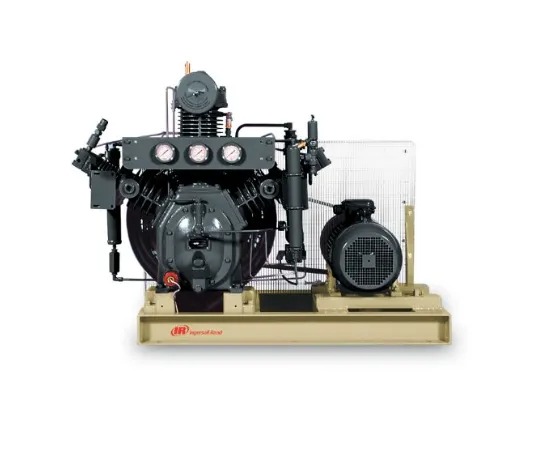
In the modern industrial landscape, efficiency and reliability are the cornerstones of a successful operation. Whether you are managing a small automotive workshop or a large-scale manufacturing plant, having a consistent supply of high-pressure air is indispensable. One of the most enduring and effective technologies available today is the reciprocating air compressor. Known for its robust design and ability to handle high pressures, this type of compressor uses a piston-driven mechanism to deliver compressed air for various heavy-duty applications. However, with a multitude of models, configurations, and technical specifications available in the market, selecting the right unit can be a daunting task for many decision-makers.
Choosing the wrong equipment can lead to increased energy costs, frequent downtime, and a shorter equipment lifespan. Conversely, the right reciprocating air compressor will optimize your workflow, reduce maintenance burdens, and provide a quick return on investment. This guide is designed to walk you through the essential factors of selection, including technical mechanisms, capacity requirements, and long-term reliability. At Biaofang, we understand that every industrial environment is unique, and our goal is to provide you with the expertise needed to make an informed choice that aligns perfectly with your operational goals.
Understanding the Mechanics of the Reciprocating Air Compressor
To choose the best equipment, one must first understand how it operates. A reciprocating air compressor functions through the movement of a piston within a cylinder. As the piston moves downward, air is drawn into the cylinder through an intake valve. When the piston moves upward, the air is compressed and discharged through an outlet valve into a storage tank. This displacement process is repeated thousands of times per hour, making the quality of the internal components critical to the machine's overall performance. There are two primary configurations to consider: single-stage and two-stage designs.
In a single-stage model, air is compressed only once before being sent to the tank. These are generally suitable for pressures up to 125 PSI and are often found in lighter industrial or commercial settings. In contrast, a two-stage reciprocating air compressor compresses air in two separate steps, cooling the air between stages through an intercooler. This design allows the unit to reach higher pressures, typically up to 175 PSI or more, with greater efficiency. By cooling the air between compression cycles, two-stage models reduce the risk of overheating and extend the life of the valves and pistons. Understanding these mechanical nuances is the first step in determining which technology fits your specific pressure and volume requirements.
Assessing Compressed Air Requirements for Industrial Efficiency
Before investing in a new system, you must conduct a thorough audit of your compressed air needs. The two most important metrics are CFM (Cubic Feet per Minute) and PSI (Pounds per Square Inch). CFM measures the volume of air produced, while PSI measures the force of that air. To calculate your required CFM, you should sum the consumption rates of all pneumatic tools and machinery that will operate simultaneously. It is a standard professional practice to add a 25% safety margin to this total to account for future growth and system leaks.
Another critical factor often overlooked is the duty cycle. Most reciprocating air compressor units are designed for intermittent use. For instance, a compressor with a 60% duty cycle should only run for 36 minutes out of every hour. If your application requires continuous air flow, you may need a larger tank to act as a buffer or consider high-performance industrial units like those offered by Biaofang. Overworking a compressor beyond its rated duty cycle leads to excessive heat, which can degrade lubricants and damage internal seals. By accurately matching the compressor's output and duty cycle to your facility's demand, you ensure maximum energy efficiency and minimize the total cost of ownership.
Critical Design Features and Maintenance Considerations
Durability in industrial environments depends on the materials and design features of the machine. Premium reciprocating air compressor models typically feature cast-iron construction for the cylinders and crankcase. Cast iron provides superior heat dissipation and structural rigidity compared to aluminum, ensuring the unit can withstand the rigors of 24/7 operation. Furthermore, look for features such as stainless steel finger valves, which resist corrosion and fatigue, and high-efficiency cooling fins that help maintain optimal operating temperatures.
Lubrication is another vital consideration. While oil-free models exist for sensitive environments like food processing, oil-lubricated reciprocating air compressors are the standard for heavy industry due to their longevity and cooling properties. Maintenance is straightforward but essential; regular oil changes, air filter replacements, and condensate drainage from the tank will keep the system running smoothly. Many modern units now include advanced controllers that monitor performance and alert operators when service is required. By prioritizing a design that facilitates easy access to service points, you reduce the time spent on routine maintenance and ensure that your production line remains active without unexpected interruptions.
Why Biaofang is the Premier Choice for Piston Technology
Biaofang has established itself as a global leader in the distribution and service of high-quality industrial air solutions. We take pride in offering a comprehensive range of products that cater to the most demanding industrial sectors. Our expertise allows us to provide clients with the legendary reciprocating air compressor systems, known for their unmatched durability and high-pressure performance. We specialize in the supply of genuine parts and complete machines from top-tier brands, ensuring that our customers receive equipment that meets international standards for safety and efficiency.
One of our flagship offerings includes the Ingersoll Rand T30 series, which has been an industry benchmark for decades. Whether you need a small-scale piston unit or a large multi-stage industrial system, Biaofang provides end-to-end support, from initial sizing consultation to long-term maintenance parts supply. Our commitment to quality means we only source components that enhance the reliability of your compressed air system. By choosing Biaofang, you are not just buying a machine; you are gaining a strategic partner dedicated to optimizing your facility's productivity and reducing operational risks through superior technology.
Our inventory includes everything from oil-flooded rotary screw compressors to specialized high-pressure piston parts. This diversity allows us to serve various industries, including automotive, textile, and heavy manufacturing. With Biaofang's technical expertise, you can rest assured that your reciprocating air compressor will be backed by a team that understands the importance of uptime and peak performance.
Conclusion
Selecting the best air compression solution requires a careful balance of technical knowledge, operational assessment, and brand trust. The reciprocating air compressor remains a vital tool for industries requiring high pressure and intermittent reliability. By focusing on your specific CFM needs, understanding the difference between single and two-stage designs, and choosing a reputable partner like Biaofang, you can secure a system that provides decades of service. Remember that the lowest upfront price is rarely the best value; look for machines built with high-grade materials and backed by expert service to ensure your long-term success.
Frequently Asked Questions
Q1: What is the main benefit of a reciprocating air compressor over a screw compressor?
A: The primary benefit is the ability to achieve much higher pressures and operate efficiently in intermittent duty cycles. While screw compressors are better for continuous use, a reciprocating air compressor is more cost-effective for applications where air is used in bursts.
Q2: How often should I change the oil in my reciprocating air compressor?
A: Standard industrial guidelines suggest changing the oil every 500 to 1,000 hours of operation, depending on the environment. Regular oil analysis ensures your reciprocating air compressor stays lubricated and prevents internal wear.
Q3: Can a reciprocating air compressor handle 24/7 continuous operation?
A: Most standard piston models are designed for a 60-80% duty cycle. For 24/7 continuous needs, you should consult with Biaofang to select a heavy-duty industrial reciprocating air compressor with enhanced cooling systems or consider a rotary screw alternative.
Q4: Why is a two-stage reciprocating air compressor better for high-pressure tasks?
A: A two-stage reciprocating air compressor divides the compression work and uses an intercooler to reduce air temperature between stages. This increases efficiency, allows for higher PSI, and reduces the heat-related stress on the machine.
Q5: Where can I find replacement parts for an old reciprocating air compressor?
A: Biaofang offers a comprehensive catalog of genuine parts for various brands. Maintaining an older reciprocating air compressor with high-quality components is essential for preserving its safety and performance standards.
Ready to Optimize Your Compressed Air System?
Contact the experts at Biaofang today for a professional consultation and high-performance solutions.