

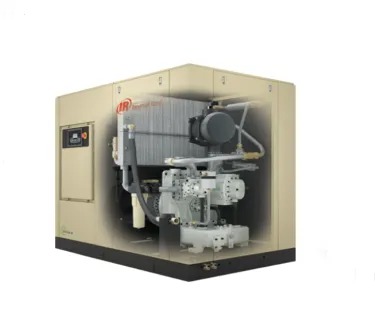
In modern industrial applications where air purity is non-negotiable, oil-free rotary screw air compressors stand as the gold standard. Industries such as pharmaceuticals, food and beverage processing, electronics manufacturing, and laboratory research rely on these machines to deliver high-quality, contaminant-free air. Unlike their oil-flooded counterparts, these compressors do not use oil in the compression chamber, eliminating the risk of downstream contamination. However, the absence of oil as a cooling and sealing agent places unique stresses on the mechanical components, particularly the precision-engineered rotors and the high-speed air ends. Over time, even the most robust systems from leading providers can encounter performance issues. Understanding these common problems and knowing how to implement professional fixes is essential for any facility manager or maintenance engineer.
Proper maintenance and timely intervention not only safeguard the quality of your end product but also extend the operational lifespan of your investment. Biaofang, a leader in high-performance compressed air solutions, emphasizes that proactive monitoring is the first line of defense against catastrophic failure. By identifying subtle changes in temperature, sound, and pressure, operators can prevent minor glitches from escalating into costly downtime. In this comprehensive guide, we will delve into the technical intricacies of troubleshooting these systems, providing actionable insights into the maintenance of oil-free rotary screw air compressors to ensure they continue to perform at peak efficiency in the most demanding environments.
Managing High Discharge Temperatures in Oil-Free Systems
High discharge temperature is perhaps the most frequent issue encountered when operating oil-free rotary screw air compressors. Because oil is not present to absorb the heat of compression, the air end and the compressed air itself reach much higher temperatures than in oil-injected models. To manage this, these machines typically utilize two-stage compression with an intercooler and an aftercooler. If the discharge temperature exceeds the safe threshold, the compressor will typically trigger an automatic shutdown to prevent permanent damage to the rotor coatings and seals.
The primary fix for overheating starts with inspecting the cooling system. Over time, the fins of the intercooler and aftercooler can become clogged with dust, debris, or mineral deposits from the cooling water. For air-cooled units, ensure that the ambient temperature in the compressor room is within the manufacturer’s specifications and that there is sufficient ventilation. If the unit is water-cooled, verify that the water flow rate is adequate and that the heat exchangers are not scaled. Another critical factor is the condition of the thermostatic valves. If these valves fail to open properly, the cooling medium cannot circulate effectively, leading to rapid heat buildup. Regular cleaning of the coolers and testing the temperature sensors are vital steps in maintaining the thermal stability of your compressed air system.
Furthermore, check the inlet air filter. A clogged filter forces the compressor to work harder to pull in air, increasing the internal compression ratio and, consequently, the heat generated. Replacing the air filter at scheduled intervals ensures a smooth intake of air and reduces the thermal load on the compressor stages. By maintaining a clean environment and ensuring optimal heat exchange, you can keep your oil-free rotary screw air compressors running cool and efficient.
Addressing Unusual Noise and Vibration
A healthy oil-free compressor has a consistent, rhythmic hum. When you begin to notice high-pitched shrieking, grinding noises, or excessive vibration, it is a clear indicator of mechanical distress within the air end. In oil-free rotary screw air compressors, the rotors are timed by high-precision gears to prevent them from touching each other. Because there is no oil film to cushion the rotors, any contact between them or between the rotors and the housing can be catastrophic. Vibration is often the precursor to such contact and should never be ignored.
The most common cause of vibration is bearing wear. The bearings in an oil-free air end are subjected to extreme speeds and temperatures. Once the bearing tolerances begin to slip, the rotors can lose their perfect alignment, leading to the noise you hear. To fix this, a professional vibration analysis should be conducted. If the bearings are found to be beyond their service life, they must be replaced immediately. Additionally, check the coupling between the motor and the air end. A misaligned coupling or a worn element can transmit vibrations back into the machine, causing premature wear on the internal components.
Another factor is the integrity of the rotor coating. Many oil-free rotors are coated with specialized materials like Teflon or MoS2 to enhance efficiency and provide a minor level of protection during startup. If this coating peels or wears away due to moisture or chemical ingestion, the aerodynamic profile of the rotor changes, leading to turbulence and noise. Regularly monitoring the air quality at the intake and ensuring the moisture separators are functioning correctly will protect these delicate surfaces. Maintaining the balance of the rotating assembly is crucial for the longevity of all oil-free rotary screw air compressors.
Air Contamination and Seal Integrity
The very reason businesses invest in oil-free rotary screw air compressors is to guarantee zero oil contamination in the air stream. However, it is a common misconception that these machines contain no oil at all. Oil is still used in the gearbox to lubricate the timing gears and bearings. To keep this oil out of the compression chamber, a series of sophisticated seals, including air-buffered labyrinth seals and oil seals, are employed. If these seals fail, oil vapor can migrate into the compression chamber, defeating the purpose of the oil-free design.
The fix for contamination issues involves a two-pronged approach. First, inspect the air-buffer system. These seals rely on a small amount of pressurized air to create a barrier that prevents oil from crossing over. If the pressure in the buffer line drops due to a leak or a faulty regulator, the seal's effectiveness is compromised. Second, check the condition of the oil return lines and the crankcase breather. If the crankcase pressure becomes too high, it can force oil past the seals. Ensuring that the gearbox venting system is clear and that the seals are replaced according to the manufacturer’s maintenance schedule is essential.
Beyond internal oil leaks, contamination can also come from the ambient environment. If the compressor is located near a source of hydrocarbons or chemical fumes, the intake air will carry these pollutants into the system. Since there is no oil to act as a scrubbing agent, these contaminants pass directly into the downstream lines. High-quality intake filtration and strategic placement of the compressor unit are the best preventative measures. For those utilizing oil-free rotary screw air compressors in sensitive labs or food plants, verifying the integrity of the sealing system during every major service is a non-negotiable requirement for safety and compliance.
Efficiency Loss and Pressure Fluctuations
As oil-free rotary screw air compressors age, you may notice that it takes longer to reach the desired pressure or that the unit is consuming more power to deliver the same volume of air. This loss of efficiency is often gradual and can be traced to internal air leakage, known as "slippage." Because there is no oil to seal the gaps between the rotors, the tolerances in oil-free machines are extremely tight. Any wear on the rotor edges or the housing increases the internal clearances, allowing compressed air to leak back to the suction side.
To fix efficiency issues, start by checking for external leaks in the piping, valves, and fittings. Even a small leak can significantly reduce the system's overall performance. If the external system is airtight, the focus must shift to the internal components. Inspect the unload/load valves to ensure they are actuating fully and quickly. A sticking inlet valve can prevent the compressor from loading properly, leading to erratic pressure fluctuations. Furthermore, the check valves between the stages and at the discharge port should be inspected. If a check valve fails to seal, air can bleed back through the system during unloading cycles, wasting energy and causing unnecessary wear.
In many cases, efficiency can be restored by recalibrating the control system. Modern oil-free rotary screw air compressors use advanced microprocessors to optimize performance. Ensuring that the pressure transducers and sensors are providing accurate data allows the controller to adjust the motor speed (in VSD models) or the loading cycle effectively. Regular audits of the air system's energy consumption can help identify these performance dips early, allowing for targeted maintenance that keeps operating costs low and productivity high.
The Biaofang Advantage and Professional Solutions
At Biaofang, we understand that your operation depends on the reliability of your compressed air. We specialize in providing premium components and complete systems for high-stakes industrial environments. Our extensive inventory includes the highly regarded oil-free rotary screw air compressors, designed to provide 100% oil-free air under the most rigorous conditions. Whether you are looking for the proven durability of the Ingersoll Rand Sierra series or the cutting-edge efficiency of the Nirvana oil-free VSD models, Biaofang has the expertise to support your needs.
Our competitive advantage lies in our deep technical knowledge and our commitment to sourcing only the best parts. We offer a wide range of GHH Rand air ends, which are world-renowned for their precision and longevity in oil-free applications. By choosing Biaofang, you gain access to original service kits, high-efficiency filtration elements, and expert diagnostic services that ensure your oil-free rotary screw air compressors operate with minimal downtime. We don't just sell products; we provide comprehensive air solutions tailored to your specific industrial requirements, ensuring that your air quality remains pristine and your energy costs remain manageable.
Our product portfolio is extensive, covering everything from centrifugal air compressors for large-scale needs to oil-flooded rotary screw compressors for general industrial use. This diversity allows us to provide an unbiased assessment of your needs and recommend the exact machine that will deliver the best return on investment for your facility. Trust Biaofang to be your partner in air compression excellence.
Conclusion: Ensuring Long-Term Reliability
Maintaining oil-free rotary screw air compressors requires a commitment to detail and a disciplined service schedule. While these machines are engineering marvels capable of delivering ultra-pure air, they are sensitive to environmental conditions and mechanical wear. By addressing high temperatures, managing vibrations, ensuring seal integrity, and monitoring efficiency, you can avoid the common pitfalls that lead to equipment failure. Partnering with a trusted supplier like Biaofang ensures that you have the parts, the machines, and the expertise needed to keep your facility running smoothly. In the world of industrial manufacturing, the cost of contaminated air is far higher than the cost of quality maintenance. Invest in your system today to guarantee a cleaner, more productive tomorrow.
Looking for expert support or high-quality parts for your air system?
Contact Biaofang Experts TodayFrequently Asked Questions
Q1: Why is my oil-free rotary screw air compressor overheating?
Overheating in oil-free rotary screw air compressors is usually caused by clogged intercoolers, poor ventilation in the compressor room, or a failure in the water-cooling system. Regular cleaning of heat exchangers and ensuring adequate airflow are the primary fixes for this issue.
Q2: Can oil-free rotary screw air compressors produce contaminated air?
While the compression chamber is oil-free, oil-free rotary screw air compressors still have oil in their gearboxes. If the air-buffered seals or oil seals fail, oil can migrate into the air stream. Proper seal maintenance is crucial to prevent this contamination.
Q3: How often should I service my oil-free rotary screw air compressors?
Standard service intervals for oil-free rotary screw air compressors involve checking filters every 2,000 hours and performing major air end inspections every 8,000 to 16,000 hours, depending on the manufacturer and environmental conditions.
Q4: What causes excessive noise in oil-free rotary screw air compressors?
Excessive noise usually points to bearing wear, rotor misalignment, or degradation of the rotor coating. In oil-free rotary screw air compressors, these issues should be addressed immediately to prevent the rotors from making contact.
Q5: Are oil-free rotary screw air compressors more efficient than oil-flooded ones?
In terms of air purity, they are superior. However, oil-free rotary screw air compressors often require more stages and sophisticated cooling, which can influence energy efficiency. Using Variable Speed Drive (VSD) models can significantly improve the efficiency of these systems.