

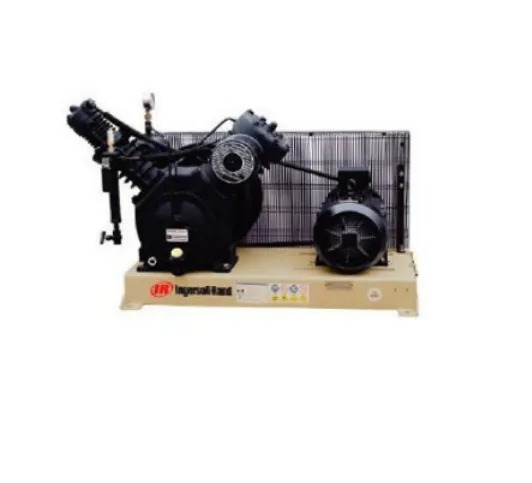
Ensuring Longevity and Efficiency in Industrial Piston-Based Compressed Air Systems.
The Strategic Importance of Compressor Care
A reciprocating air compressor is often the heartbeat of an industrial facility, providing the necessary force for pneumatic tools, manufacturing lines, and critical process controls. Unlike rotary systems, the reciprocating design relies on the rhythmic movement of pistons within cylinders to compress air. This mechanical action involves high levels of friction, heat, and pressure, which makes a dedicated maintenance strategy not just a recommendation, but a necessity for operational survival. Neglecting basic upkeep can lead to catastrophic component failure, resulting in expensive unplanned downtime and safety hazards for the workforce.
In the modern manufacturing landscape, efficiency is the primary metric of success. A poorly maintained reciprocating air compressor consumes significantly more electricity to produce the same volume of air, directly impacting your bottom line. By implementing a systematic approach to maintenance, facility managers can extend the equipment's lifespan by decades. This guide explores the technical nuances of piston-based systems and provides a roadmap for maintaining peak performance. Whether you are operating a single-stage unit for a small workshop or a heavy-duty multi-stage system for a chemical plant, the principles of mechanical integrity remain universal.
Professional maintenance is more than just changing oil; it is an analytical process of monitoring wear patterns and environmental factors. As industries move toward smarter manufacturing, understanding the physical requirements of your air system is the first step toward optimization. Through this comprehensive guide, Biaofang aims to empower operators with the knowledge required to troubleshoot issues before they escalate, ensuring that your compressed air supply remains reliable, clean, and cost-effective throughout its service life.
Understanding the Mechanics of Your Reciprocating Air Compressor
To effectively maintain a reciprocating air compressor, one must first grasp the complex interaction of its internal components. The process begins at the intake valve, where ambient air is drawn into the cylinder during the downward stroke of the piston. As the piston rises, the intake valve closes, and the air is compressed until it reaches the pressure required to force open the discharge valve. This cycle happens hundreds of times per minute. The primary components involved—the crankshaft, connecting rods, pistons, and valve plates—are all subject to intense thermal stress. Understanding these dynamics allows technicians to identify where wear is most likely to occur.
Valves are perhaps the most critical yet vulnerable part of the reciprocating design. If a valve plate becomes fouled with carbon deposits or weakened by heat, it will fail to seal properly. This leads to "re-compression," where air leaks back into the cylinder, causing the temperature to spike and the efficiency to plummet. Similarly, the piston rings must maintain a tight seal against the cylinder wall to prevent air from escaping into the crankcase. In oil-lubricated models, this seal also prevents lubricant from migrating into the air stream, which could contaminate downstream equipment or final products.
Thermal management is another mechanical pillar. Multi-stage compressors use intercoolers to reduce the air temperature between stages, which increases the air density and improves compression efficiency. If these cooling fins are clogged with dust or if the cooling fan is underperforming, the entire system is put at risk of overheating. By treating the reciprocating air compressor as an integrated thermal-mechanical system rather than just a "pump," maintenance personnel can apply more targeted care, focusing on the specific heat-exchange and friction-reduction points that determine the machine's overall reliability.
Essential Daily Maintenance Checkpoints
The longevity of a reciprocating air compressor is built on the foundation of consistent daily habits. The first and most vital task is checking the lubricant level. Most industrial piston compressors use a splash or pressure lubrication system; if the oil level drops below the minimum threshold, friction will cause the cylinder walls to score within minutes. Always check the oil level when the machine is off and on a level surface. Look for changes in color or consistency; milky oil indicates water contamination, while excessively dark oil suggests that the compressor is running too hot or that the oil change interval has been exceeded.
Moisture drainage is the second pillar of daily care. When air is compressed, it loses its ability to hold water vapor, which then condenses into liquid inside the receiver tank. If this water is not drained daily, it leads to internal corrosion and reduces the tank's effective storage capacity. For a reciprocating air compressor, moisture can also back up into the discharge lines, causing damage to pneumatic tools and valves. Manual drain valves should be opened until only air escapes, though many modern industrial setups now utilize automatic electronic drain valves to ensure this task is never forgotten.
Finally, operators must perform a "sensory audit" every day. This involves listening for unusual knocking sounds, which could indicate a loose connecting rod or a failing bearing. Feel for excessive vibration, which might suggest that the mounting bolts are loose or that the unit is out of balance. Observe the pressure gauges during a full cycle; if the compressor takes longer than usual to reach its cut-out pressure, it may be a sign of a clogged intake filter or a leaking valve. These small daily observations act as an early warning system, preventing minor issues from developing into catastrophic failures.
Weekly and Monthly Technical Inspections
While daily checks keep the machine running, weekly and monthly inspections are designed to maintain the peak efficiency of your reciprocating air compressor. On a weekly basis, the air intake filters must be inspected. In industrial environments with high dust or debris, these filters can clog rapidly. A restricted intake forces the piston to work harder to pull air into the cylinder, creating a vacuum effect that increases energy consumption and thermal load. Cleaning or replacing these elements is one of the most cost-effective ways to ensure your system remains energy-efficient.
Monthly inspections should focus on the drive system and leak detection. For belt-driven models, check the tension and alignment of the V-belts. Loose belts will slip, leading to friction-induced heat and a drop in RPM, while overly tight belts can put excessive load on the motor and crankshaft bearings. Look for signs of fraying or cracking. Simultaneously, conduct a thorough "soap bubble" test on all joints, fittings, and hoses. Air leaks are the silent killers of efficiency; even a small 1/16-inch leak in a system pressurized by a reciprocating air compressor can waste thousands of dollars in electricity annually.
Additionally, monthly maintenance should include an inspection of the safety relief valves. These valves are the final line of defense against over-pressurization. Manually trigger the valve to ensure the internal spring mechanism is not stuck due to rust or debris. Ensure that the cooling fins on the pump and the intercooler are blown out with compressed air to maintain optimal heat dissipation. High operating temperatures are the primary cause of oil breakdown and valve carbonization, so keeping the external surfaces clean is directly linked to the internal health of the machine.
Advanced Troubleshooting and System Optimization
When a reciprocating air compressor begins to lose performance, advanced troubleshooting is required to pinpoint the root cause. One common issue is the "unloader valve" failure. This component is responsible for bleeding the air pressure off the piston head when the motor stops, allowing it to start again without load. If the unloader fails, the motor may hum or trip the circuit breaker upon restarting. Technicians should also monitor the duty cycle. Reciprocating units are typically designed for a 60% to 75% duty cycle. If your machine is running 100% of the time, it is either undersized for the application or suffering from significant internal leakage.
Oil carryover is another frequent problem that requires technical intervention. If you notice excessive oil in your air lines, it may be due to worn piston rings, an overfilled crankcase, or using the wrong viscosity of oil. For a reciprocating air compressor, using a non-detergent oil specifically formulated for compressors is vital. Standard automotive oils contain additives that can cause foaming and carbon buildup on the valves. Optimization also involves checking the pressure switch settings. Reducing the system pressure by just 2 PSI can result in a 1% energy saving, so ensuring the compressor isn't working harder than the application requires is a smart operational move.
In high-demand industrial environments, integrating air treatment components like refrigerated dryers and high-efficiency separators is part of the optimization process. Clean, dry air prevents the internal components of the compressor—and the downstream tools—from corroding. By analyzing the quality of the air discharge and the stability of the pressure, facility managers can determine if the reciprocating air compressor is operating at its design specifications. Regular oil analysis is also recommended for large industrial units, providing a chemical breakdown that can predict bearing failure months before it actually occurs.
Why Choose Biaofang for Your Compressor Solutions
As a leading Content Strategist and industrial expert, Biaofang understands that your choice of equipment is a long-term investment. We specialize in providing high-performance solutions, including the renowned reciprocating air compressor systems that are built to withstand the most demanding industrial environments. Our partnership with global leaders like Ingersoll Rand allows us to offer products such as the Ingersoll Rand reciprocating air compressor, known for its rugged cast-iron construction and exceptional reliability.
At Biaofang, we don't just sell machines; we provide comprehensive support. From the Ingersoll Rand T30 series to advanced high-pressure piston models, our inventory is curated to maximize your uptime. Our advantages include:
Unmatched Expertise: 10+ years of experience in the compressed air industry.
Genuine Parts: Access to original Ingersoll Rand parts and GHH-Rand air ends.
Diverse Portfolio: From oil-flooded rotary screws to centrifugal compressors, we cover every need.
Choosing Biaofang means partnering with a company that prioritizes your operational efficiency. We provide tailored advice on sizing, installation, and maintenance to ensure that your reciprocating air compressor remains a high-value asset for years to come. Our technical team is always ready to assist you in selecting the right model for your specific pressure and flow requirements.
Conclusion
Maintenance is the bridge between a machine that simply works and a machine that excels. A reciprocating air compressor is a testament to time-tested engineering, but its reliability depends entirely on the stewardship of its operators. By following a structured schedule of daily checks, weekly cleanings, and monthly technical inspections, you can safeguard your facility against the high costs of negligence. The combination of proper lubrication, thermal management, and leak prevention creates an environment where your compressor can thrive, even in the harshest industrial settings.
As we have explored in this guide, understanding the mechanical heartbeat of your system allows you to make informed decisions that impact both performance and profitability. Biaofang is committed to being your partner in this journey, offering the equipment, parts, and expertise needed to sustain your air power. Remember that a well-maintained compressor is not just a tool; it is a competitive advantage that ensures your production lines never falter.
In conclusion, take the time to implement these practices today. The small efforts you invest in monitoring your reciprocating air compressor now will pay massive dividends in the form of reduced energy bills, lower repair costs, and the peace of mind that comes with a robust, reliable compressed air system.
Frequently Asked Questions
Q1: How often should I change the oil in my reciprocating air compressor?
Typically, oil should be changed every 500 to 1,000 service hours, or at least once every six months. However, in dusty or high-temperature environments, more frequent changes may be necessary to protect the internal components of your reciprocating air compressor.
Q2: Why is my reciprocating air compressor overheating?
Overheating is often caused by dirty cooling fins, low oil levels, or restricted air intake. It can also occur if the reciprocating air compressor is forced to run beyond its rated duty cycle due to system leaks or excessive demand.
Q3: What causes water to build up in the tank of a reciprocating air compressor?
Water buildup is a natural byproduct of air compression. As air is squeezed, moisture condenses. Regular draining of the tank is essential to prevent corrosion and maintain the efficiency of your reciprocating air compressor.
Q4: Can I use regular automotive oil in my reciprocating air compressor?
No, automotive oil contains detergents that can cause carbon buildup on the valves and foaming in the crankcase. Always use a non-detergent, compressor-specific lubricant designed for your reciprocating air compressor.
Q5: How can I tell if the valves in my reciprocating air compressor are failing?
Signs of valve failure include a noticeable drop in air delivery, excessive noise, or a high temperature at the intake filter. If your reciprocating air compressor takes much longer than usual to reach full pressure, the valves should be inspected immediately.
Ready to Optimize Your Compressed Air System?
Contact Biaofang today for expert advice, high-quality products, and genuine spare parts.